Looking for Rust Proof Paint? Here Is the Honest Comparison.
Rust proof paint is a real product category and it does real work. But paint is a thin film that shrinks as it dries and thins at every edge. OR93BL and Flak Jacket polyurea are 100% solids elastomeric membranes sprayed 20 to 120 mils in one pass. Both have a place — this page explains where the line is.
Ask Which One You NeedFive Ways Polyurea Differs From Rust Proof Paint
Nothing Evaporates
A typical solvent-borne rust paint is 40 to 60% solids by volume. Half of what you buy leaves the surface as it dries — and it takes film thickness with it. Polyurea is 100% solids. What you spray is what stays, mil for mil, with no shrinkage stress pulling at the bond.
Two Orders of Magnitude More Film
A brushed coat of rust paint dries to 2 or 3 mils. Three coats gets you 6 to 9. A single polyurea pass builds 20 to 120. Barrier performance scales with thickness, and this is not a close comparison — it is a different scale of protection entirely.
It Holds at Edges
Wet paint pulls away from sharp edges by surface tension as it cures, which is why corrosion starts at cut edges, weld toes, and fastener heads on painted steel. Polyurea gels in 3 to 6 seconds — before surface tension can move it — so the corner gets the same film as the flat.
It Stretches Instead of Cracking
Paint films are hard and relatively brittle. Steel moves — thermal cycling, vibration, load. At 300 to 400% elongation and 400 to 500 pli tear strength, the membrane tracks that movement. A crack in a barrier coating funnels water to one spot, which is worse than no coating there at all.
Where Each One Actually Wins
We sell polyurea. We will still tell you when paint is the right call — the list on the left is genuinely paint territory.
- Touch-up & small repairs — paint
- Decorative interior metal — paint
- Short-life or temporary assets — paint
- Tight budget, low consequence — paint
- Structural steel, long service — polyurea
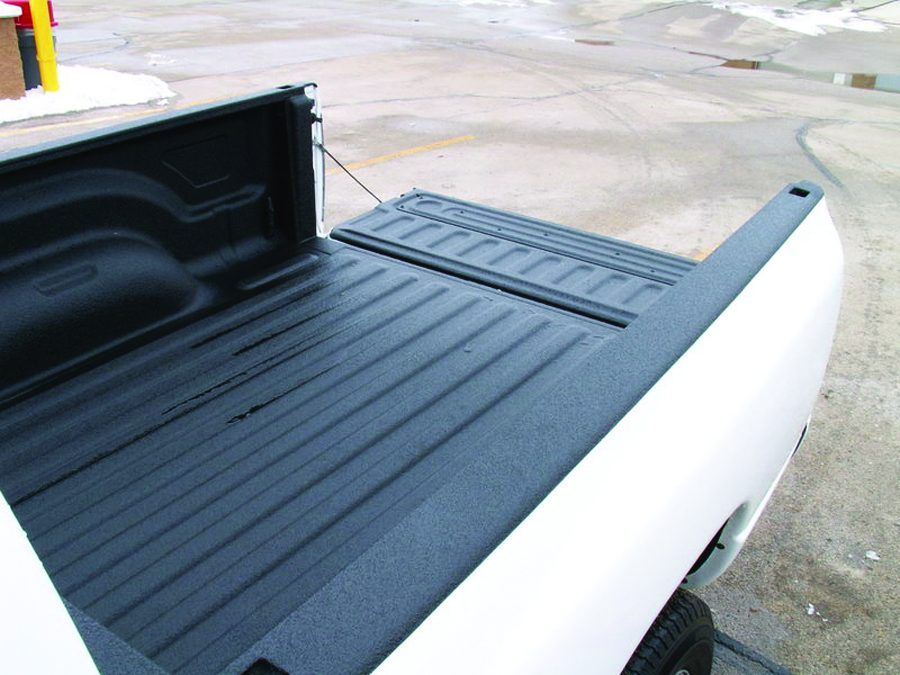
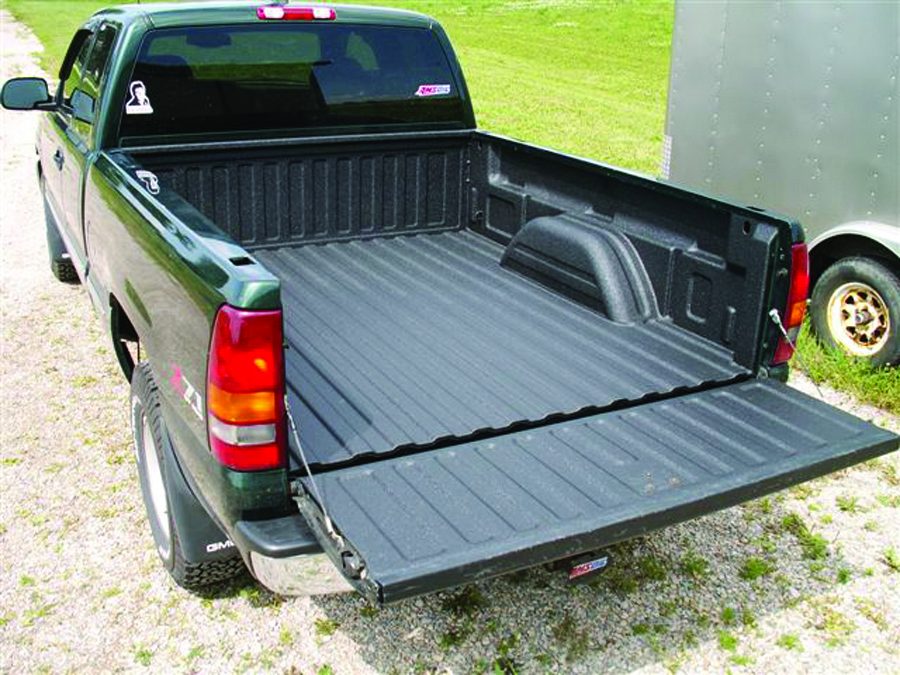
- Truck beds & underbodies — polyurea
- Wash-down & chemical exposure — polyurea
- Metal roofs & building envelopes — polyurea
- Tanks & containment — polyurea
- Abrasion + corrosion together — polyurea
What You Would Be Buying Instead of Paint
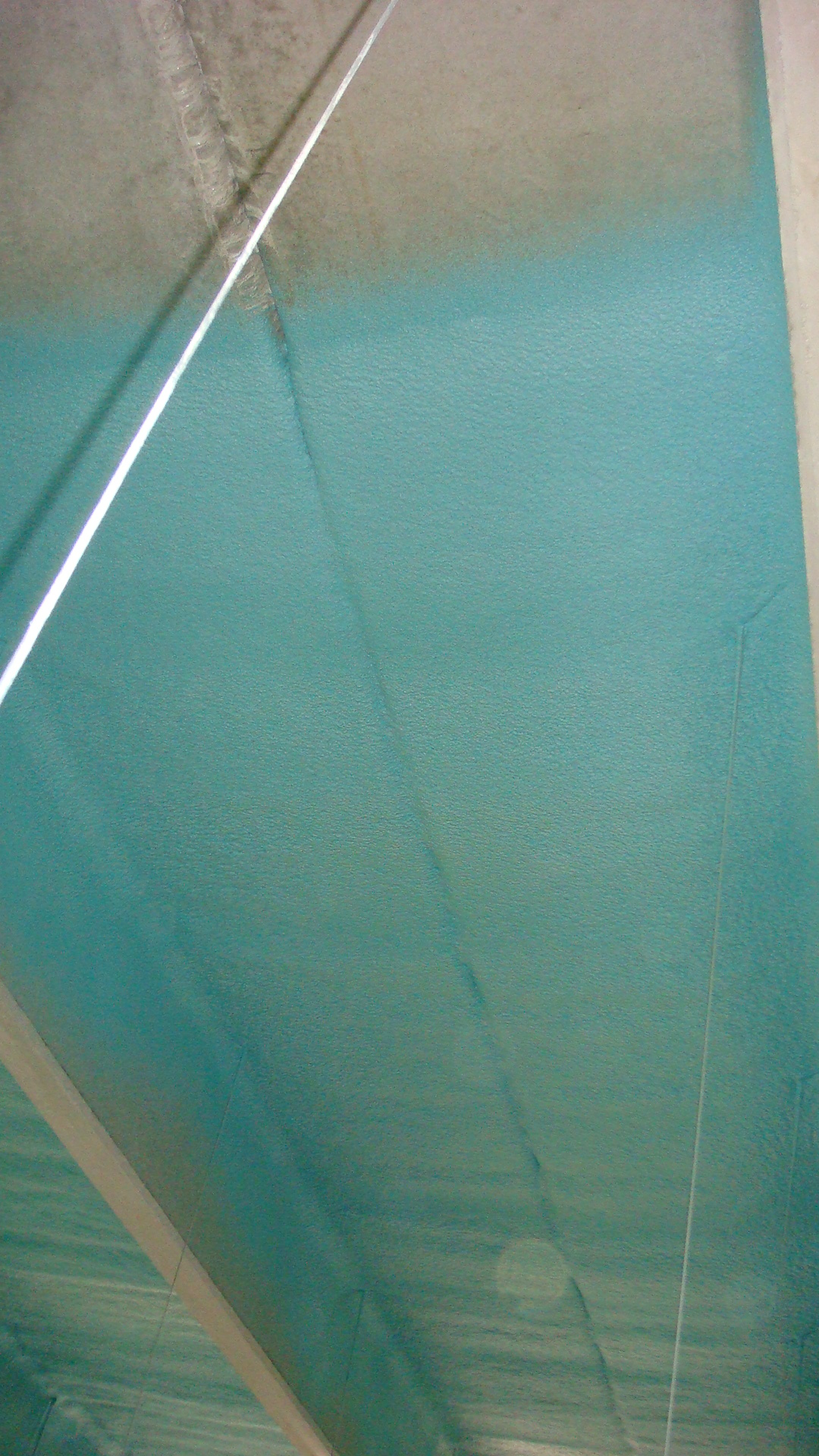
The Oak Ridge products people end up specifying after they compare the numbers.
What Rust Proof Paint Is Good At
Let us be fair to paint first, because most pages like this are not.
Modern rust-inhibitive paints are genuinely good products. Direct-to-metal acrylics, alkyd enamels, epoxy-mastic systems, and moisture-cure urethanes all work, and they work using real chemistry — barrier pigments, inhibitive pigments that passivate the steel surface, and in zinc-rich primers, actual galvanic sacrifice. A well-applied three-coat industrial paint system on properly prepared steel will protect a structure for a decade or more.
Paint also has advantages polyurea simply cannot match. You can buy it at a store this afternoon. You can brush it, roll it, or spray it with equipment you already own. You can touch up a scratch with a quart. It comes in every colour and holds that colour. And for a small job, the total cost is a fraction of mobilizing a plural-component rig.
If your job is a handrail, a gate, a piece of shop equipment, or anything where the consequence of a repaint in five years is "you repaint it in five years" — buy good rust proof paint. We are not going to pretend otherwise to sell you a drum.
Where Paint Runs Out of Room
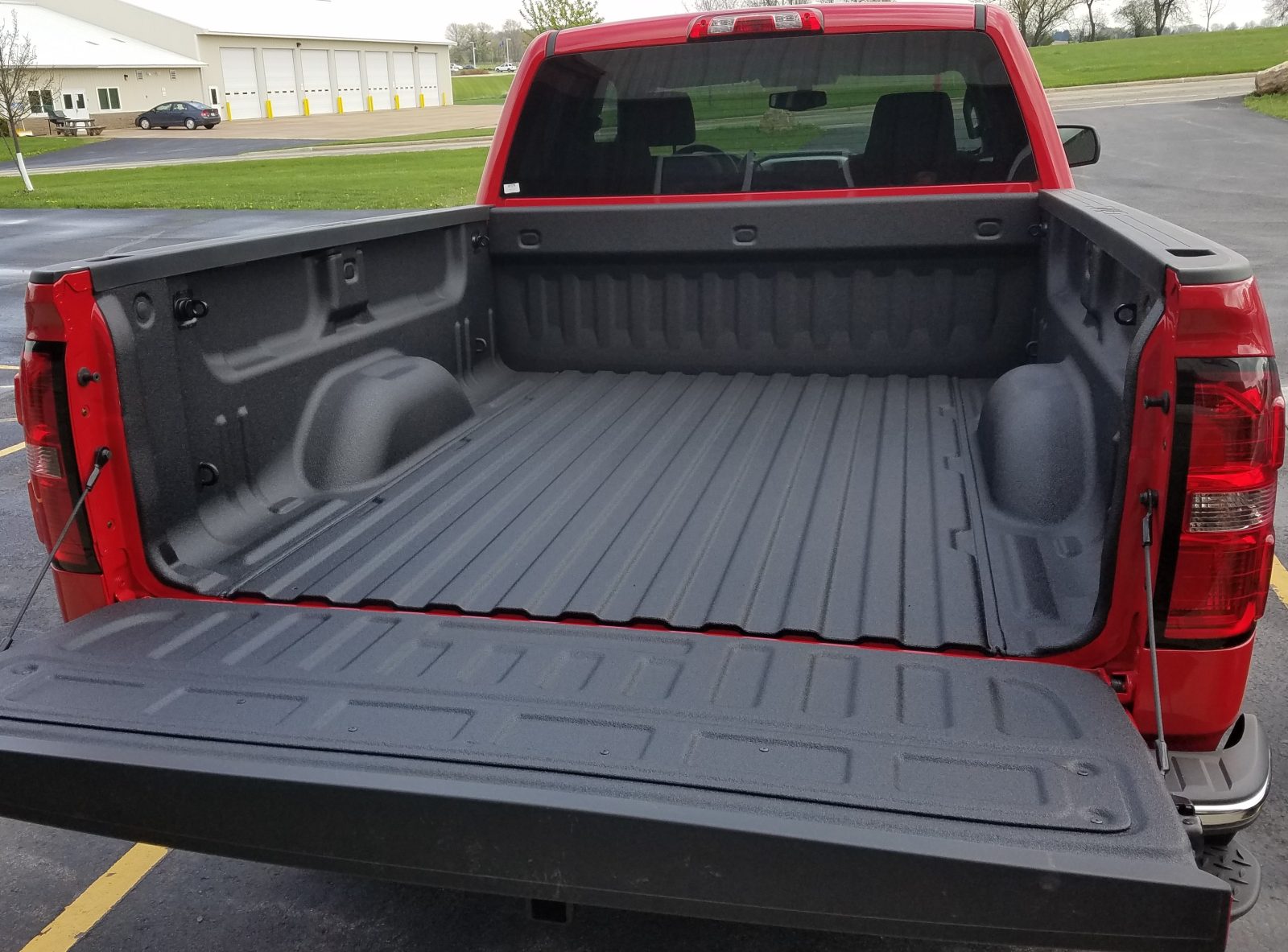
Paint's limits are physical, not chemical, and they come down to how much material can stay on a vertical surface without sagging while it is still wet.
That constraint caps a coat at a few mils. It is why industrial paint specs call for three coats to reach 6 to 9 mils total — and why each of those coats introduces an interface that has to bond to the one below, on schedule, in the right conditions.
Then there is shrinkage. At 40 to 60% solids, roughly half the wet film leaves as solvent. That withdrawal happens while the film is bonding, which puts the coating under internal stress from the day it cures, and it pulls the film thinner at every sharp edge and weld toe — precisely the locations where corrosion starts.
Polyurea sidesteps both problems by curing in seconds. The material gels 3 to 6 seconds after it leaves the gun, so it cannot sag no matter how thick it is applied, and it cannot flow away from an edge. At 100% solids nothing evaporates, so there is no shrinkage stress and no thinning. One pass, 20 to 120 mils, uniform corner to corner.
The Numbers Side by Side
A Fair Way to Compare Cost
Per gallon, rust proof paint wins easily and it always will. That comparison is also close to meaningless, because a gallon of each covers a different area at a different thickness for a different number of years.
Two comparisons are more honest:
Installed cost per square foot. Count all three coats of paint, the labour for each, the mobilization for each, and the days the asset or the shop bay is occupied waiting on recoat windows. Against a single polyurea pass that is handling-ready in minutes, the gap narrows a great deal — and on assets where access is expensive (scaffolding, shutdown coordination, confined space), single-pass application can come out ahead outright.
Cost per year of service. An industrial paint system on structural steel typically wants maintenance attention at five to seven years and a full recoat around ten to twelve. Polyurea at proper DFT routinely runs well past that without intervention. Divide total installed cost by expected years and the ranking often reverses.
Neither of those calculations favours polyurea on a small job with easy access and a short expected life. That is the honest boundary, and it is where we tell people to buy paint.
What the Alternative Looks Like
Tell Us the Job and We Will Tell You Which to Buy
Describe what you are protecting, how long it needs to last, and what the budget looks like. If paint is the right answer we will say so — and if it is not, you will get a product recommendation and a DFT target.
Ask Which One You NeedAsk Which One You Need
Tell us about your project and we will follow up with product details, technical data sheets, and pricing.
Frequently Asked Questions
Frequently Asked Questions
The questions people ask once they realize these are two different product categories.
Comparing the Two
How many coats of rust proof paint equal one pass of polyurea?
By thickness, none of them do. Three coats of industrial paint reach roughly 6 to 9 mils of dry film. A single polyurea pass is 20 to 120 mils. You would need dozens of paint coats to match the film, and the accumulated inter-coat interfaces would create their own failure modes long before you got there.
Is rust proof paint ever actually better?
Yes, and in more situations than most coating salespeople admit. Small jobs where mobilization dominates cost, decorative and interior work where colour retention is the point, temporary or short-life assets, and anything you want to be able to touch up yourself with a brush. In those cases paint is the correct engineering answer, not a compromise.
Does polyurea contain rust inhibitors like paint does?
No. Inhibitive and zinc-rich paints work partly through chemistry that passivates or galvanically protects the steel. Polyurea is a pure barrier — it simply keeps water and oxygen away. Because it does that at 20 to 120 mils instead of 3, it does not need the chemistry to compensate for a thin film.
Which one handles a surface that already has rust on it?
Both can overcoat sound, tightly-adhered rust after SP3 power-tool cleaning, and neither can go over loose scale. The difference is what happens afterward: a 3-mil paint film over old rust is fragile, while a 20 to 40 mil membrane isolates the oxide from moisture and oxygen thoroughly enough to stop the reaction.
Practical Application
Can I brush or roll polyurea like I would paint?
No, and this is the single biggest practical difference. It gels 3 to 6 seconds after the components meet, so there is no working time at all. It requires a plural-component proportioner with heated hose. 7001 primer can be brushed or rolled, but the barrier layer cannot.
Can polyurea be applied over existing rust proof paint?
Usually yes, with 7001 primer, which promotes adhesion and blocks bleed-through from the old finish. Test adhesion on a small area first: if the existing paint tears within itself when pulled, the whole system has to come off regardless of what goes over it.
How do I touch up a scratch in polyurea?
Abrade the area, apply 7001 primer, and respray. That means calling whoever applied it rather than opening a can in your garage — a genuine convenience loss compared with paint. On the other hand, at 20 to 120 mils, most incidents that would go through a paint film do not go through the membrane at all.
Does polyurea need the same surface prep as paint?
Essentially the same standards: SP6 blast with a 2–4 mil profile for new or heavily corroded steel, SP3 power-tool for maintenance, and chlorides below 7 µg/cm² in salt service. Prep discipline determines the outcome for either product — it is not a place where the better coating rescues you.
Cost, Appearance & Buying
How much more expensive is polyurea than rust paint?
Considerably more per gallon, and there is a mobilization cost for the equipment. Installed cost per square foot narrows once you count three coats of labour and the cure time. Cost per year of service frequently favours polyurea outright. Which comparison is the right one depends on how long your asset has to last.
Will polyurea hold its colour like paint?
Not as well. Aromatic polyurea chalks and fades under direct UV within a few seasons. The protection is unaffected — it is purely a surface appearance change. If colour matters, either specify an aliphatic topcoat over the membrane or use quality paint and accept the shorter protection cycle.
Can I buy polyurea in small quantities like paint?
It ships in kits and drums rather than gallons off a shelf, and it only makes sense in quantities that justify running a rig. For a small job, hiring an applicator who already has material on the truck is usually cheaper than buying any amount of it yourself.
Do you sell rust proof paint too?
No — we manufacture polyurea, along with 7001 primer and related coating products. When paint is the right answer for your job we will tell you so, but you will buy it from a paint supplier. We would rather give you the correct recommendation than a convenient one.
Still Weighing It Up?
Send us the details and we will give you a recommendation you can check against any other quote you have.
Ask a Question